What are the early signs of dehydration?
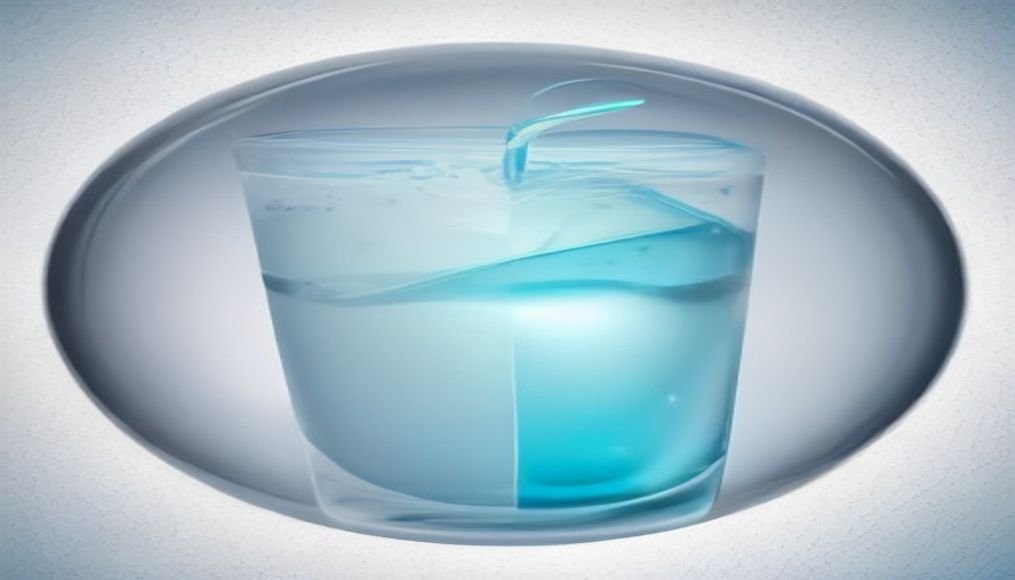

Your body relies on water to perform virtually every essential function, from regulating internal temperature to lubricating joints and transporting nutrients. Because maintaining fluid balance is vital to your health, your nervous system begins sending subtle warning signals at the very first sign of fluid loss. Recognizing these early signals allows you to restore balance quickly before mild dehydration turns into a more severe medical issue.
Most people associate dehydration with extreme thirst or heat exhaustion. However, mild dehydration occurs when you lose as little as 1% to 2% of your total body water weight. At this stage, your body is already adjusting to conserve moisture, producing distinct physical and mental cues that are easy to spot once you know what to look for.
The Top Early Signs of Dehydration
Dehydration affects multiple body systems simultaneously. Paying attention to these early warning signs can help you take action before your energy and focus begin to suffer.
1. Dark-Colored Urine and Reduced Urination
One of the most reliable indicators of your hydration status is the color of your urine. When your body has adequate fluid, your kidneys filter out waste efficiently, resulting in light, pale-yellow urine. When you begin losing more water than you take in, your kidneys actively conserve fluid by reabsorbing water back into your bloodstream.
- Pale straw color: Indicates optimal hydration.
- Dark yellow or amber: A clear early sign that you need to drink more water.
- Urinating less than 4 times a day: Suggests your body is holding onto fluids due to insufficient intake.
2. Mild Thirst and Sticky or Dry Mouth
Thirst is an intentional defense mechanism triggered by the brain's hypothalamus. By the time you feel noticeably thirsty, your body is already mildly dehydrated. Along with thirst, you may notice a decrease in saliva production, leading to a sticky, dry feeling in your mouth or chapped lips.
3. Unexplained Fatigue and Sluggishness
If you experience a sudden drop in energy during the middle of the day, fluid loss might be the culprit. When your fluid levels decrease, your blood volume drops slightly. This forces your heart to pump harder and faster to deliver oxygen and essential nutrients to your organs and muscles, leaving you feeling tired or lethargic.
4. Mild Headaches and Brain Fog
Fluid loss can temporarily affect brain tissue. When dehydration occurs, the brain can shrink slightly away from the skull due to fluid shifts, triggering mild tension headaches. Additionally, even slight fluid imbalances can interfere with cognitive function, leading to:
- Difficulty focusing on complex tasks
- Slower reaction times
- Mild irritability or mood changes
- Short-term memory slips
5. Muscle Tightness and Cramping
Water and key minerals (electrolytes) like sodium, potassium, and magnesium are necessary for proper muscle contraction and relaxation. Early dehydration disrupts the balance of these fluids within your muscle fibers, leading to unexpected muscle tightness, involuntary twitching, or sudden cramping—especially during exercise or hot weather.
6. Loss of Skin Elasticity
Hydrated skin is supple and elastic. When fluid levels fall, your skin loses some of its natural moisture and flexibility. You can test this using the simple "skin pinch test" (skin turgor test): pinch the skin on the back of your hand gently and release it. Hydrated skin snaps back into place immediately, whereas mildly dehydrated skin takes a moment longer to flatten out.
Why Does the Body React This Way?
When fluid loss occurs—whether through sweating, breathing, urination, or illness—the concentration of sodium and other dissolved particles in your blood increases. Specialized sensors in your brain detect this higher concentration and respond immediately by:
- Releasing anti-diuretic hormone (ADH), which signals the kidneys to produce less urine.
- Triggering the thirst sensation to encourage fluid intake.
- Constricting blood vessels slightly to maintain stable blood pressure.
Understanding these internal adjustments helps explain why early signs like dark urine and mild thirst appear so quickly—they are your body's automated attempt to conserve precious water reserves.
Who Should Watch Extra Closely for Early Signs?
While anyone can become dehydrated, certain individuals are at a higher risk of developing fluid imbalances quickly:
- Older Adults: The natural thirst response tends to diminish with age, making seniors less likely to feel thirsty even when fluid levels are low.
- Infants and Young Children: Children have a higher metabolic rate and a larger body surface area relative to their weight, causing them to lose fluids faster.
- Athletes and Outdoor Workers: High physical exertion accelerates fluid loss through sweat, particularly in warm or humid environments.
- People Taking Certain Medications: Diuretics, blood pressure drugs, and antihistamines can increase fluid loss through frequent urination.
How to Respond to Early Dehydration
When you notice the first signs of fluid loss, restoring balance is straightforward. Follow these practical guidelines to rehydrate safely and efficiently:
- Sip fluids slowly: Avoid chugging large amounts of water at once, which can trigger rapid urination or upset your stomach. Sip small amounts steadily over an hour.
- Include electrolytes if needed: If you have been sweating heavily or exercising, replace lost minerals alongside water. Coconut water, oral rehydration solutions, or water paired with a balanced meal work well.
- Eat water-rich foods: Fruits and vegetables like watermelon, cucumbers, strawberries, oranges, and celery provide fluids along with essential vitamins and minerals.
- Cool down: If warm temperatures caused your fluid loss, move to a shaded or air-conditioned area to slow down sweating.
Practical Takeaway
Do not wait until you are severely thirsty to drink water. Check the color of your urine throughout the day, keep a reusable water bottle within reach, and listen to subtle cues like mild headaches or sudden fatigue. Addressing fluid loss at the very first sign keeps your body functioning at its best, helping you stay energized, focused, and healthy.
Related Posts

How to lose belly fat fast at home for men
Losing belly fat can be a challenging and frustrating process, especially for men. However, with the right approach and a bit of dedication, it is possible to …

Can small activities improve fitness?
When it comes to improving fitness, many of us think that we need to dedicate hours each day to intense workouts or spend a fortune on gym memberships. However…

How can I add more movement to my day?
Adding more movement to your day can have a significant impact on your overall health and wellbeing. Regular physical activity can help to reduce the risk of c…
Why is sitting for long periods unhealthy?
Sitting for long periods has become a common aspect of modern life, with many of us spending hours each day seated at our desks, in front of the television, or…