Why is sitting for long periods unhealthy?
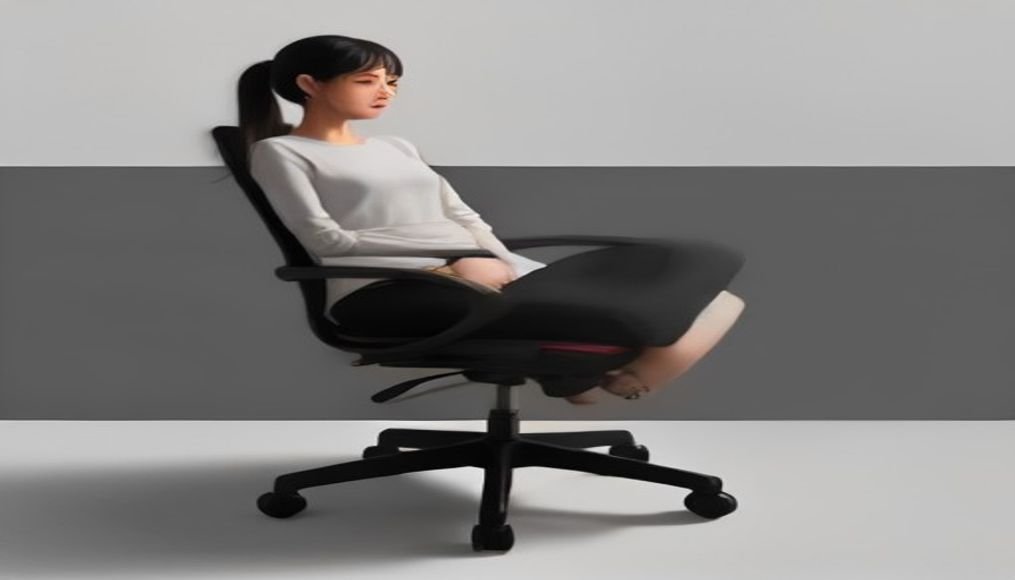

Sitting for long periods has become a common aspect of modern life, with many of us spending hours each day seated at our desks, in front of the television, or commuting to and from work. However, this sedentary behavior has been linked to a range of negative health effects, from obesity and diabetes to cardiovascular disease and even certain types of cancer. But why is sitting for long periods so unhealthy, and what can we do to mitigate these effects?
The Risks of Prolonged Sitting
When we sit for long periods, our bodies undergo a range of physiological changes that can have serious consequences for our health. One of the main concerns is the impact on our metabolism, which slows down when we are seated. This means that our bodies are less efficient at burning calories, which can lead to weight gain and obesity. Additionally, prolonged sitting has been shown to increase our risk of developing type 2 diabetes, as well as cardiovascular disease, which is the leading cause of death worldwide.
The Science Behind the Risks
So, what exactly happens to our bodies when we sit for long periods? When we are seated, our muscles are not contracting and relaxing in the same way that they do when we are standing or moving. This means that our metabolic rate slows down, and our bodies start to store more energy as fat. At the same time, our blood flow and circulation are reduced, which can increase our risk of developing blood clots and other cardiovascular problems. Furthermore, prolonged sitting has been shown to disrupt our body's natural insulin sensitivity, making us more resistant to insulin and increasing our risk of developing type 2 diabetes.
Another key factor is the impact of prolonged sitting on our mental health. When we are seated for long periods, we are more likely to experience stress, anxiety, and depression. This is because our bodies are designed to move, and when we are not getting enough physical activity, our mental health can suffer. Additionally, the sedentary nature of modern life can lead to social isolation, which is a major risk factor for mental health problems.
The Consequences of a Sedentary Lifestyle
The consequences of a sedentary lifestyle are far-reaching and can have a significant impact on our overall health and wellbeing. Some of the most significant risks include:
- Obesity and Weight Gain: Prolonged sitting is a major contributor to obesity and weight gain, as our bodies are less efficient at burning calories when we are seated.
- Cardiovascular Disease: Sitting for long periods increases our risk of developing cardiovascular disease, including heart attacks, strokes, and high blood pressure.
- Type 2 Diabetes: Prolonged sitting disrupts our body's natural insulin sensitivity, making us more resistant to insulin and increasing our risk of developing type 2 diabetes.
- Certain Types of Cancer: Sedentary behavior has been linked to an increased risk of certain types of cancer, including colon, breast, and uterine cancer.
- Mental Health Problems: Prolonged sitting can lead to social isolation, stress, anxiety, and depression, all of which can have a significant impact on our mental health and wellbeing.
Breaking the Cycle of Sedentary Behavior
So, what can we do to break the cycle of sedentary behavior and reduce our risk of developing these negative health effects? The good news is that it's never too late to make a change, and even small amounts of physical activity can have a significant impact on our health. Here are some tips for reducing our sitting time and increasing our physical activity:
- Take Regular Breaks: If you have a desk job, try to take a break every hour to stand up, stretch, and move around. Even a short walk to the water cooler or a few jumping jacks can make a difference.
- Find Ways to Stay Active: Look for opportunities to stay active throughout the day, such as taking the stairs instead of the elevator, walking to work, or doing a few laps of the office during your lunch break.
- Try a Standing Desk: Consider using a standing desk or a sit-stand workstation, which can help you stay active and engaged throughout the day.
- Make Time for Exercise: Aim to do at least 30 minutes of moderate-intensity exercise per day, such as brisk walking, cycling, or swimming.
- Limit Screen Time: Try to limit your screen time, especially in the evening, and find other ways to relax and unwind, such as reading a book, taking a walk, or practicing yoga.
By making a few simple changes to our daily routine, we can reduce our risk of developing the negative health effects associated with prolonged sitting. Remember, every bit counts, and even small amounts of physical activity can have a significant impact on our health and wellbeing.
Conclusion
In conclusion, sitting for long periods is a significant risk factor for a range of negative health effects, from obesity and diabetes to cardiovascular disease and mental health problems. However, by understanding the risks and taking steps to reduce our sitting time, we can mitigate these effects and improve our overall health and wellbeing. Whether it's taking regular breaks, finding ways to stay active, or making time for exercise, there are many simple and effective ways to break the cycle of sedentary behavior and start living a healthier, more active lifestyle. So, why not start today and take the first step towards a healthier, happier you?
Related Posts

How to lose belly fat fast at home for men
Losing belly fat can be a challenging and frustrating process, especially for men. However, with the right approach and a bit of dedication, it is possible to …

Can small activities improve fitness?
When it comes to improving fitness, many of us think that we need to dedicate hours each day to intense workouts or spend a fortune on gym memberships. However…

How can I add more movement to my day?
Adding more movement to your day can have a significant impact on your overall health and wellbeing. Regular physical activity can help to reduce the risk of c…

How much daily movement is recommended?
Daily movement is essential for maintaining a healthy lifestyle, and the amount of movement recommended can vary depending on several factors, including age, f…