How does travel affect sleep patterns?
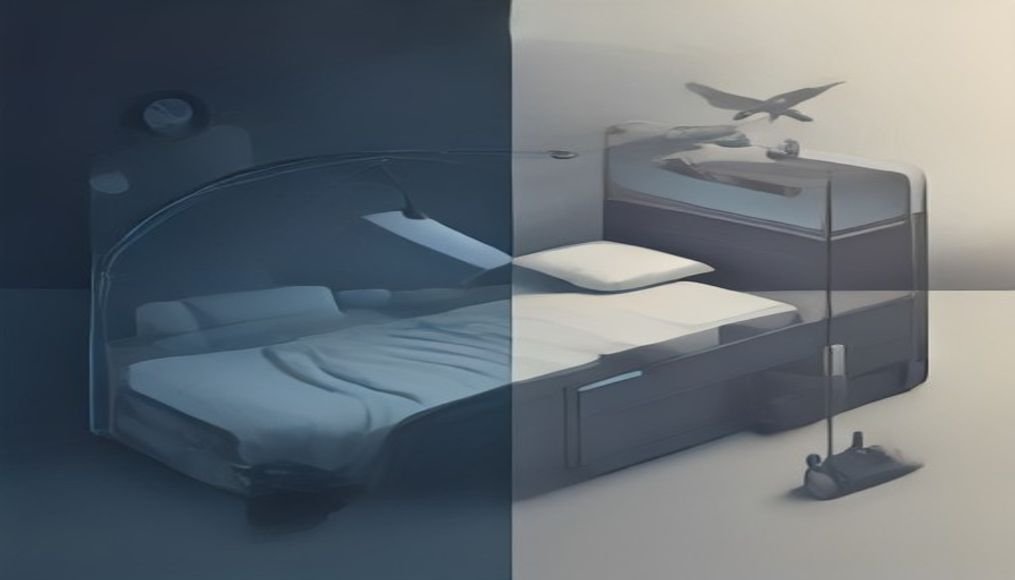

Traveling can be an exciting and enriching experience, but it can also have a significant impact on our sleep patterns. Whether you're traveling across time zones or simply to a new destination, your body's internal clock can be disrupted, leading to difficulties in falling asleep, staying asleep, or getting quality sleep. In this article, we'll explore how travel affects sleep patterns and provide some tips on how to minimize the impact of travel on your sleep.
Understanding the Impact of Travel on Sleep
When we travel, our bodies are exposed to new environments, schedules, and time zones, which can affect our sleep-wake cycle, also known as our circadian rhythm. The circadian rhythm is regulated by an internal clock that responds to light and darkness to synchronize our bodily functions with the 24-hour day-night cycle. When we travel, our internal clock can become desynchronized, leading to a range of sleep-related problems.
Jet Lag and Sleep
One of the most significant impacts of travel on sleep is jet lag. Jet lag occurs when we travel across multiple time zones, causing our internal clock to become out of sync with the local time. This can lead to symptoms such as fatigue, insomnia, and daytime sleepiness. The severity of jet lag depends on the number of time zones crossed, the direction of travel, and the individual's ability to adapt to the new time zone.
For example, if you travel from New York to Los Angeles, you'll be crossing three time zones, which can cause your body to feel like it's 3 hours ahead of the local time. This can make it difficult to fall asleep at night and wake up feeling rested in the morning. On the other hand, if you travel from Los Angeles to New York, you'll be crossing three time zones in the opposite direction, which can cause your body to feel like it's 3 hours behind the local time.
Other Factors That Affect Sleep While Traveling
In addition to jet lag, there are several other factors that can affect sleep while traveling. These include:
- Unfamiliar Environment: Sleeping in a new and unfamiliar environment can be stressful and disrupt sleep. This is because our brains are wired to be more alert in new environments, making it harder to relax and fall asleep.
- Noise and Light Pollution: Noise and light pollution from traffic, airports, or hotels can disrupt sleep patterns and make it difficult to fall asleep or stay asleep.
- Physical Discomfort: Traveling can be physically demanding, and discomfort from sitting for long periods, lack of exercise, or poor sleep conditions can affect sleep quality.
- Stress and Anxiety: Traveling can be stressful, especially if you're traveling for work or dealing with unexpected delays or cancellations. Stress and anxiety can make it difficult to fall asleep and stay asleep.
Minimizing the Impact of Travel on Sleep
While it's impossible to completely eliminate the impact of travel on sleep, there are several strategies that can help minimize its effects. Here are some tips to help you sleep better while traveling:
- Adjust Your Sleep Schedule Before Traveling: If you're traveling across time zones, try to adjust your sleep schedule a few days before your trip to minimize the impact of jet lag.
- Stay Hydrated and Avoid Caffeine: Dehydration and caffeine can exacerbate jet lag symptoms. Make sure to drink plenty of water and avoid caffeinated beverages, especially in the hours leading up to bedtime.
- Bring a Sleep Kit: Pack a sleep kit with essentials like earplugs, an eye mask, and a comfortable travel pillow to help you sleep better in unfamiliar environments.
- Exercise Regularly: Regular exercise can help regulate your sleep-wake cycle and reduce stress. Try to incorporate some physical activity into your travel schedule, such as a brisk walk or some stretching exercises.
- Practice Relaxation Techniques: Stress and anxiety can disrupt sleep patterns. Practice relaxation techniques like deep breathing, meditation, or yoga to help calm your mind and body before bedtime.
Additional Tips for Overcoming Jet Lag
In addition to the tips above, here are some additional strategies for overcoming jet lag:
- Expose Yourself to Natural Light: Exposure to natural light can help regulate your internal clock. Spend some time outside during the day, and avoid screens and electronic devices before bedtime.
- Avoid Napping: While it can be tempting to take a nap during the day, it can make it harder to sleep at night. Try to stay awake during the day and avoid napping close to bedtime.
- Use Melatonin Supplements: Melatonin is a natural hormone that regulates sleep-wake cycles. Taking a melatonin supplement can help regulate your sleep patterns and reduce jet lag symptoms.
Traveling can be a thrilling experience, but it can also disrupt our sleep patterns. By understanding the impact of travel on sleep and taking steps to minimize its effects, we can reduce the risk of sleep-related problems and enjoy our travels to the fullest. Remember to adjust your sleep schedule, stay hydrated, and practice relaxation techniques to help you sleep better while traveling. With a little planning and preparation, you can overcome the challenges of travel and arrive at your destination feeling rested and refreshed.
Related Posts

How to lose belly fat fast at home for men
Losing belly fat can be a challenging and frustrating process, especially for men. However, with the right approach and a bit of dedication, it is possible to …

Can small activities improve fitness?
When it comes to improving fitness, many of us think that we need to dedicate hours each day to intense workouts or spend a fortune on gym memberships. However…

How can I add more movement to my day?
Adding more movement to your day can have a significant impact on your overall health and wellbeing. Regular physical activity can help to reduce the risk of c…
Why is sitting for long periods unhealthy?
Sitting for long periods has become a common aspect of modern life, with many of us spending hours each day seated at our desks, in front of the television, or…