Memopezil Brain Supplement: A Complete Guide to Boosting Cognitive Function

Ever walked into a room and forgot why you were there? It’s a scary feeling that makes you doubt your memory and brain power. But, is there a natural way to get your mental sharpness back?
Meet Memopezil, a brain health supplement that’s all the rage in 2026. People are searching for Memopezil supplement like crazy, looking for ways to improve their brain function. Unlike energy drinks that just give a quick boost, Memopezil works on the brain’s acetylcholine pathways. This natural supplement aims to enhance your mental performance in a unique way.
In this guide, we’ll dive into all things Memopezil. We’ll look at the science behind its formula and hear from real users. With a 65% off deal, a 60-day money-back guarantee, and free shipping, now is the perfect time to boost your brain health.
Let’s explore how Memopezil can help you fight brain fog and improve your mental clarity.
Key Takeaways
- Memopezil is a natural supplement designed to enhance cognitive function.
- It focuses on the brain’s acetylcholine pathways for better memory support.
- Current special offers include 65% off and free shipping.
- Users report improved focus and reduced brain fog.
- The product comes with a 60-day money-back guarantee.
1. What is Memopezil? A Complete Look at This Brain Supplement

Memopezil is more than a simple supplement. It’s a special mix made to boost your brain health. It helps with memory, focus, and energy. Made in the USA, it follows strict GMP standards for top-quality brain support.
Memopezil focuses on the cholinergic system. Acetylcholine is key for learning and memory. As we get older, our acetylcholine drops, causing brain fog and tiredness. Memopezil’s formula helps by using natural ingredients that support the brain.
Memopezil is special because it’s a natural alternative to synthetic drugs. It uses a natural nootropic blend to support acetylcholine. This boosts brain signals and protects brain cells, helping with memory and focus.
Let’s dive into Memopezil’s main ingredients:
| Ingredient | Benefits | Source |
|---|---|---|
| Bacopa Monnieri Extract | Improves memory and brain function | Traditional herbal medicine |
| L-Theanine | Helps stay calm and focused | Green tea |
| Rhodiola Rosea Root Powder | Boosts mental strength and resilience | Adaptogenic herb |
| Panax Ginseng Extract | Increases mental energy and performance | Traditional herbal medicine |
| Pure Honey | Makes nutrients easier to absorb | Natural sweetener |
This special mix of ingredients works together to support your brain. With Memopezil, you can improve your mental clarity and abilities naturally. It’s not a drug, but a daily helper for better brain health.
2. Memopezil Ingredients: A Detailed Breakdown of the Formula

Memopezil’s success comes from its well-chosen ingredients. Each one is key to brain health. The formula has eight main parts, all picked for their brain benefits. Let’s explore how these ingredients help improve your focus and memory.
- Bacopa Monnieri Extract: This herb boosts memory. Studies show 300-450 mg daily can enhance memory. It repairs neurons and supports acetylcholine, the brain’s learning chemical.
- Lion’s Mane Mushroom: This mushroom boosts Nerve Growth Factor (NGF). NGF is key for new neural connections. It supports brain function and health.
- Phosphatidylserine: This ingredient keeps cell membranes strong. It helps neurotransmitters work better. It keeps brain communication clear.
- Rhodiola Rosea: An adaptogen that helps manage stress. It lowers cortisol and improves mood and focus under pressure.
- L-Theanine: Found in green tea, it promotes focus without jitters. It’s great for improving concentration.
- Panax Ginseng: This herb boosts brain circulation. It ensures the brain gets the oxygen and nutrients it needs.
- Ginkgo Biloba: It improves blood flow in the brain. This supports memory and thinking speed.
- Vitamin B Complex: It’s vital for energy and keeping neurons working well. It ensures neurons have the fuel they need.
Every part of Memopezil is studied and proven to work. It’s about being open and effective. We believe you should know what you’re taking. This formula is honest and clean.
3. How Memopezil Works: Understanding the Mechanism of Action
Memopezil plays a key role in supporting brain health. It uses a multi-pathway mechanism to target different areas of brain function. This includes helping with neurotransmitter production, improving blood flow to the brain, and protecting brain cells.
One of Memopezil’s main benefits is its support for neurotransmitter production. Bacopa Monnieri acts as a natural acetylcholinesterase inhibitor. This helps keep acetylcholine levels up, which is important for memory and learning. As we get older, acetylcholine levels can drop, leading to memory loss. Memopezil helps by providing the necessary building blocks for its production.
Memopezil also boosts cerebral blood flow. Ginkgo Biloba and Panax Ginseng help increase oxygen to the brain. This is key for keeping brain cells working well and supporting neural communication.
Another important aspect of Memopezil is its neuroprotection against oxidative stress. It protects the brain from damage caused by free radicals, which can harm cognitive abilities. This protection is vital for keeping the brain healthy over time.
Memopezil also stimulates Nerve Growth Factor (NGF). NGF helps keep and grow neurons, which is important for learning and memory. This process is essential for our ability to learn and remember.
Lastly, Memopezil helps manage stress. Rhodiola Rosea and L-Theanine help control cortisol levels. This protects the hippocampus, the brain’s memory center, from damage caused by stress.
In summary, Memopezil offers a complete strategy for improving brain function. It nourishes various pathways to keep the brain sharp and resilient over time.
| Mechanism | Function | Key Ingredients |
|---|---|---|
| Neurotransmitter Synthesis | Supports memory and learning | Bacopa Monnieri, B Vitamins |
| Cerebral Blood Flow | Enhances oxygen delivery | Ginkgo Biloba, Panax Ginseng |
| Neuroprotection | Shields against oxidative stress | Antioxidants |
| Nerve Growth Factor Stimulation | Supports neuron growth | Lion’s Mane Mushroom |
| Stress Modulation | Protects memory center | Rhodiola Rosea, L-Theanine |
4. Memopezil Pricing and Package Options: Finding the Best Value
Investing in your brain health is important. Finding the best value is key. Memopezil has different prices to fit your budget.
The two-bottle package is perfect for beginners. It’s a 60-day supply for $79 per bottle. You save $200, making it just $158 plus shipping.
The six-bottle package is for those who want to commit. It’s $49 per bottle for 180 days. You save $780 and get free US shipping. It’s a great deal for six months of support.
The three-bottle package is a good middle choice. It’s $69 per bottle for 90 days. You save $330 and get free shipping. Each package comes with a 60-day money-back guarantee.
There’s a special offer now. Get 65% off your delivery box and five free bonuses. Memopezil is only on the official website. This ensures you get the real product.
Buying Memopezil is a big step. We make it easy with these prices. You can buy Memopezil online and start improving your mind.
5. Pros and Cons of Memopezil Brain Supplement
Before trying Memopezil, let’s look at its good and bad sides. This supplement uses natural ingredients that are safe. It’s different from other brain support products.
- Stimulant-Free Formula: Memopezil is a stimulant-free nootropic. You won’t feel jittery or crash like with synthetic products.
- Natural Ingredients: Memopezil is made with 100% natural ingredients. These have been researched for decades.
- Adaptogenic Support: It has ingredients like Rhodiola and Ginseng. They help manage stress gently.
- Transparency: Memopezil doesn’t have secret blends. You know exactly what you’re taking.
- Quality Assurance: It’s made in a GMP-certified, FDA-registered facility in the USA. This ensures high quality.
- Dietary Friendly: Memopezil is a vegan brain capsule, gluten-free, and non-GMO. It fits many dietary needs.
- 60-Day Money-Back Guarantee: You can try Memopezil risk-free for 60 days.
Cons of Memopezil
- Gradual Results: Memopezil works slowly. It builds brain strength over time, not instantly.
- Limited Availability: You can only buy Memopezil on the official website. This might be hard for some.
- Possible Digestive Adjustment: Some people might feel a bit of stomach upset at first.
One happy user said,
“Memopezil has changed my focus and clarity. I love it’s natural and gentle.”
For those looking for natural brain support, Memopezil is a good choice. It avoids the ups and downs of synthetic stimulants. Always talk to your doctor before starting any new supplement, even if you’re on prescription meds.
| Feature | Memopezil | Typical Stimulant Nootropic |
|---|---|---|
| Stimulant-Free | Yes | No |
| Natural Ingredients | Yes | Often Synthetic |
| Dietary Friendly | Vegan, Gluten-Free | Varies |
| Time to Effect | Gradual | Immediate |
6. Memopezil vs Other Brain Supplements: A Competitive Analysis
The world of brain supplements is vast and often overwhelming. It’s important to see how Memopezil stands out. This analysis will compare Memopezil with other popular brain supplements, highlighting its unique benefits and advantages.
Many supplements today aim to boost cognitive function but often use synthetic stimulants. These can lead to tolerance, dependence, and energy crashes. Memopezil, on the other hand, takes a natural approach. It uses botanical ingredients with established safety profiles, providing long-term brain health support without the drawbacks associated with stimulants.
Prescription memory drugs like Donepezil (Aricept) are powerful but intended for those with Alzheimer’s disease. They come with significant side effects. These drugs require physician supervision and are not suitable for healthy adults experiencing normal age-related forgetfulness.
On the other hand, synthetic “smart drugs” such as Modafinil and Adderall are often used off-label for focus and concentration. While they may offer short-term benefits, they carry risks, including:
- Dependence and tolerance
- Cardiovascular strain
- Energy crashes
Also, the evidence supporting their effectiveness in improving memory for healthy individuals is weak. This raises the question: Is it worth risking your health for temporary cognitive boosts?
In the vast middle ground of over-the-counter nootropics, many products rely on massive caffeine doses or proprietary blends that obscure ingredient amounts. Memopezil distinguishes itself by focusing on multi-pathway synergy. Instead of pushing your brain into overdrive, it nourishes the underlying systems responsible for cognitive health, including:
- Acetylcholine production
- Cerebral blood flow
- Neuroprotection
- Stress adaptation
For those seeking alternatives to prescription nootropics or synthetic racetams like Piracetam, Memopezil offers a botanical solution grounded in clinical research. It’s not about being the strongest stimulant; it’s about providing a thoughtful, sustainable support system for your long-term cognitive wellness.
Ultimately, when considering Memopezil vs other brain supplements, it’s clear that this natural alternative provides a safer, more effective route for cognitive enhancement. Embrace the opportunity to nourish your brain without compromising your health!
7. Who Should Take Memopezil? Target Audience and Recommendations
Memopezil is great for many people looking to boost their brain power. It’s perfect for busy professionals, students getting ready for exams, or anyone over 40 wanting to stay sharp. This supplement can really help.
Let’s explore who can benefit from Memopezil:
| Target Group | Benefits | Recommended Use |
|---|---|---|
| Professionals | Improved focus and productivity | Daily for sustained performance |
| Students | Enhanced memory retention | During study periods and exams |
| Adults 40+ | Support for aging brain health | Consistently for long-term benefits |
| Individuals with Mental Fatigue | Reduction of brain fog | As needed, during stressful times |
| Those with ADHD Symptoms | Improved focus without stimulants | Consult with a healthcare provider |
Memopezil is a natural way to strengthen your brain. It’s for anyone wanting to naturally support their brain health. If you’re feeling mentally tired or your brain isn’t as sharp as it used to be, Memopezil could be the answer.
In short, Memopezil is a top pick for boosting work productivity, memory, or supporting your aging brain. Just remember, using it regularly is the best way to see results!
8. How to Take Memopezil for Optimal Results
To get the most out of Memopezil, knowing how to take it is key. This natural supplement works best when used regularly. The Memopezil dosage is usually two capsules a day, with a meal and water. This helps your body absorb it better and avoids stomach issues.
For the best results, take Memopezil in the morning or early afternoon. This helps your brain function at its best during busy times. It’s not a quick fix but a slow, steady boost to your brain.
Some people notice better focus and less brain fog in the first two weeks. But, the biggest improvements in memory and thinking come after a few weeks of daily use.
A study found cognitive boosts as early as Day 14, with memory gains by Day 28. But, the deepest mental clarity and reliable memory come after 6-8 weeks. That’s why we offer a 60-day money-back guarantee. We want you to see Memopezil’s full benefits.
Here are some tips for success:
- Take it at the same time each day to build a habit.
- Stay hydrated to support overall brain health.
- Pair it with a brain-healthy lifestyle, including quality sleep and regular exercise.
- Be patient—you’re supporting fundamental cognitive processes.
Memopezil is safe for daily, long-term use. Its natural ingredients are safe, unlike synthetic ones that need cycling. Start this journey for better mental stamina, quicker thinking, and better information retention!
9. Memopezil Side Effects and Safety Considerations
Before starting Memopezil, it’s important to know about side effects and safety. Memopezil is a dietary supplement, not a medicine. It hasn’t been checked by the Food and Drug Administration. It’s not meant to treat or prevent diseases like Alzheimer’s or dementia.
Always talk to your doctor before trying new supplements, if you’re on meds or have health issues.
Our main goal is your safety. Memopezil has natural ingredients, so side effects are usually mild. Some people might feel a bit of stomach upset at first. But this usually goes away fast, and eating with food can help.
Can I take Memopezil with coffee? Yes! Memopezil and coffee work well together. The L-Theanine in Memopezil makes your coffee feel better and more focused.
The formula helps your brain in many ways. It:
- Protects against oxidative stress with antioxidants
- Supports new brain cells with Lion’s Mane
- Improves blood flow to the brain with Ginkgo
- Boosts energy production in brain cells with B vitamins
It supports your brain in a balanced way, not by overworking it. Memopezil is made in a top-quality facility. It’s tested for purity and safety.
It’s also non-GMO and free from common allergens. If you’re worried about how it might affect your meds, talk to your doctor.
10. Memopezil Customer Reviews: What Users Are Saying
Memopezil customer reviews show how this supplement is changing lives. People share their stories of improved brain health. As more look for brain health solutions, Memopezil reviews are growing.
College students love Memopezil for studying. It keeps them focused during long study sessions. One student said she stopped re-reading paragraphs after three weeks.
Professionals in demanding jobs also see benefits. They say Memopezil helps them stay alert and focused. This is great for those with busy schedules.
Shift workers and drivers find Memopezil helpful too. It boosts alertness without the need for stimulants. Gamers also use it for sustained focus.
Reviews from adults over 50 are heartwarming. They talk about regaining mental clarity and remembering names. Memopezil is seen as a way to fight off “senior moments.”
The 60-day money-back guarantee is often mentioned. It shows users trust Memopezil. Consistent use leads to gradual, natural improvement in brain function.
11. Is Memopezil Legit or a Scam? An Honest Assessment
In today’s world, finding real brain supplements is hard. So, is Memopezil a real brain supplement or just a trend? The facts show it’s real. Here’s why:
- Transparent Formula: Memopezil’s formula is open and honest. Every ingredient is listed, and each has research backing its benefits.
- Manufacturing Integrity: Made in a US GMP-certified, FDA-registered facility, Memopezil focuses on quality. Many products are made in unregulated places.
- Money-Back Guarantee: Memopezil offers a 60-day money-back guarantee. Scams often make returns hard, but Memopezil is different.
- Direct-to-Consumer Model: Buying from the official website means you get the real product. No fake versions from third-party sellers.
Some Memopezil complaints exist online, but they’re mostly about wrong expectations. People want quick results and get upset when natural products work slowly. Others want it on Amazon for easy access. But these issues don’t mean it’s a scam; they show the need for realistic hopes.
For those looking for natural nootropics like Noopept, Sunifiram, or Aniracetam, Memopezil is a good choice. It’s not a cure for Alzheimer’s or dementia. It’s for daily brain support for healthy adults.
Memopezil’s ingredients are backed by science. It supports the brain’s acetylcholine pathway, helps with stress, improves blood flow, and protects against damage. This makes Memopezil a real option for those with memory loss or looking for dementia natural support.
12. Where to Buy Memopezil: Official Website and Retail Options
Want to buy Memopezil? Here’s how to get the best deals. The real Memopezil is only sold on its official website. This ensures you get quality and authentic products, which is key for your health.
Buying from the official site keeps out fake products. It’s a direct-to-consumer model. This means every bottle you get is the real, GMP-certified formula. It also avoids the risks of tampered or expired products found on other sites.
Now, there’s a special deal: 65% off your Memopezil delivery box! Here are the current prices:
| Package | Price per Bottle | Total Savings | Shipping |
|---|---|---|---|
| 2 Bottles | $79 | $200 | Free |
| 3 Bottles | $69 | $330 | Free |
| 6 Bottles | $49 | $780 | Free |
Every order comes with a 60-day money-back guarantee. If Memopezil doesn’t meet your hopes for cognitive reserve and mental sharpness, you can get a full refund.
Ordering from the official site also gets you five free bonuses to boost your health journey. Just visit the official website, pick your package, enter your shipping details, and your order ships right to you.
Choosing Memopezil supports your brain plasticity and neurological function. It’s an investment in your daily productivity and long-term brain health. With the guarantee, you have nothing to lose—except that brain fog you’ve been fighting.
13. Conclusion: Is Memopezil the Right Brain Supplement for You?
As we finish our look at Memopezil, the big question is: is it right for you? If you’re fighting distractions, feeling foggy, or having trouble remembering things, Memopezil might help. It’s made to boost your brain’s health and clear your mind.
Memopezil is a top pick for students needing a study aid. Its mix of ingredients gives you a mental boost, keeping you alert and focused. It’s great for both quick memory needs and long-term memory support.
It’s also good for people wanting to work better or older adults wanting to keep their brains sharp. Memopezil uses Bacopa Monnieri and Lion’s Mane to feed your brain. Plus, there’s a 60-day money-back promise.
Don’t miss out on the special deal—65% off and free shipping on bulk orders. It’s a great time to boost your brain health. Your brain has been working hard; now it’s time to support it. Visit the official site today and start improving your mental clarity!
FAQ
What is Memopezil?
Memopezil is a dietary supplement. It helps improve mental clarity and supports brain health. It uses natural ingredients to nourish the brain.
How does Memopezil work?
Memopezil supports the brain’s acetylcholine pathways. It also improves blood flow to the brain. This helps protect against damage and boosts memory and thinking skills.
What are the key ingredients in Memopezil?
Memopezil includes Bacopa Monnieri, Lion’s Mane Mushroom, and Phosphatidylserine. It also has L-Theanine, Rhodiola Rosea, Panax Ginseng, Ginkgo Biloba, and a Vitamin B complex.
How should I take Memopezil?
Take two capsules daily with a meal and water. This helps your body absorb it better and reduces stomach upset.
Are there any side effects associated with Memopezil?
Most people find Memopezil easy to take. But, some might feel a bit of stomach upset at first. Taking it with food can help.
Can I take Memopezil with coffee?
Yes, you can take Memopezil with coffee. The L-Theanine in it can help balance out caffeine’s effects. This makes you focused without feeling jittery.
Is Memopezil safe for daily use?
Yes, Memopezil is safe for daily use. It’s made from natural ingredients that are known to be safe.
Where can I buy Memopezil?
You can only buy Memopezil on the official website. This ensures you get the real product. It’s not sold on Amazon or in stores.
What is the price of Memopezil?
Prices vary by package. The two-bottle package is per bottle. The three-bottle package is per bottle. The six-bottle package is per bottle. There are also savings and free shipping options.
Does Memopezil come with a money-back guarantee?
Yes, Memopezil has a 60-day money-back guarantee. This lets you try it risk-free.
Are there any complaints about Memopezil?
Some people were disappointed because they didn’t see immediate results. Natural supplements like Memopezil take time to work.
Is Memopezil a scam or legitimate?
Memopezil is a real product backed by science. It’s made in a GMP-certified facility. Its ingredients are transparent, and there’s a money-back guarantee, proving its credibility.
How long does it take to see results from Memopezil?
Some people notice better focus and clarity in the first two weeks. But, the best results usually come after 6-8 weeks of regular use.
Related Posts
Joint2Care Review – Does This Advanced Joint Support Relieve Stiffness?
Joint2Care Review – Does This Advanced Joint Support Work for Daily Pain?Do you wake up feeling like your knees and hips are locked in a rusty hinge? If you ar…

Prostivity Pros & Cons 2026: The Truth About This Prostate Relief Supplement
Prostivity Review – Natural Prostate Relief for Urinary Discomfort?If you're a man over 40, you probably know the feeling. That constant urge to go to the bath…
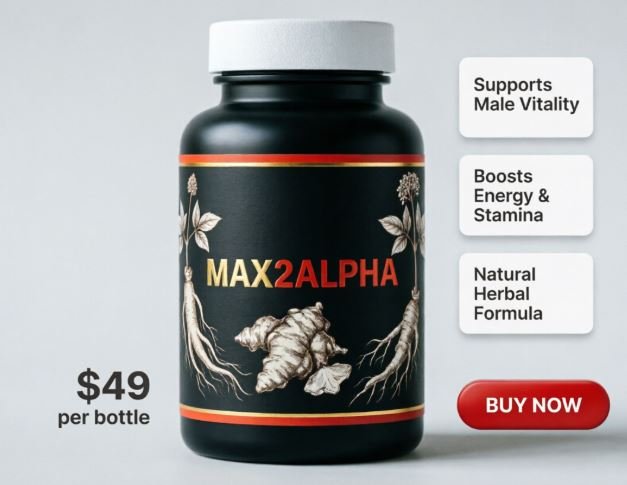
Max2Alpha Review 2026: Natural Male Vitality Gummies for Energy and Stamina
A Quick Look at Your Daily VitalityAs men get older, we often start to feel a bit different. Maybe you wake up feeling tired. Maybe your energy seems to drop r…
Prosta2Power Review: Natural Prostate Relief Solution
[snippet:prosta2power-review-natural-prostate-rel-42d610]