How to Clean Baseboard Heaters Easily Simple Steps (Guide 2026)
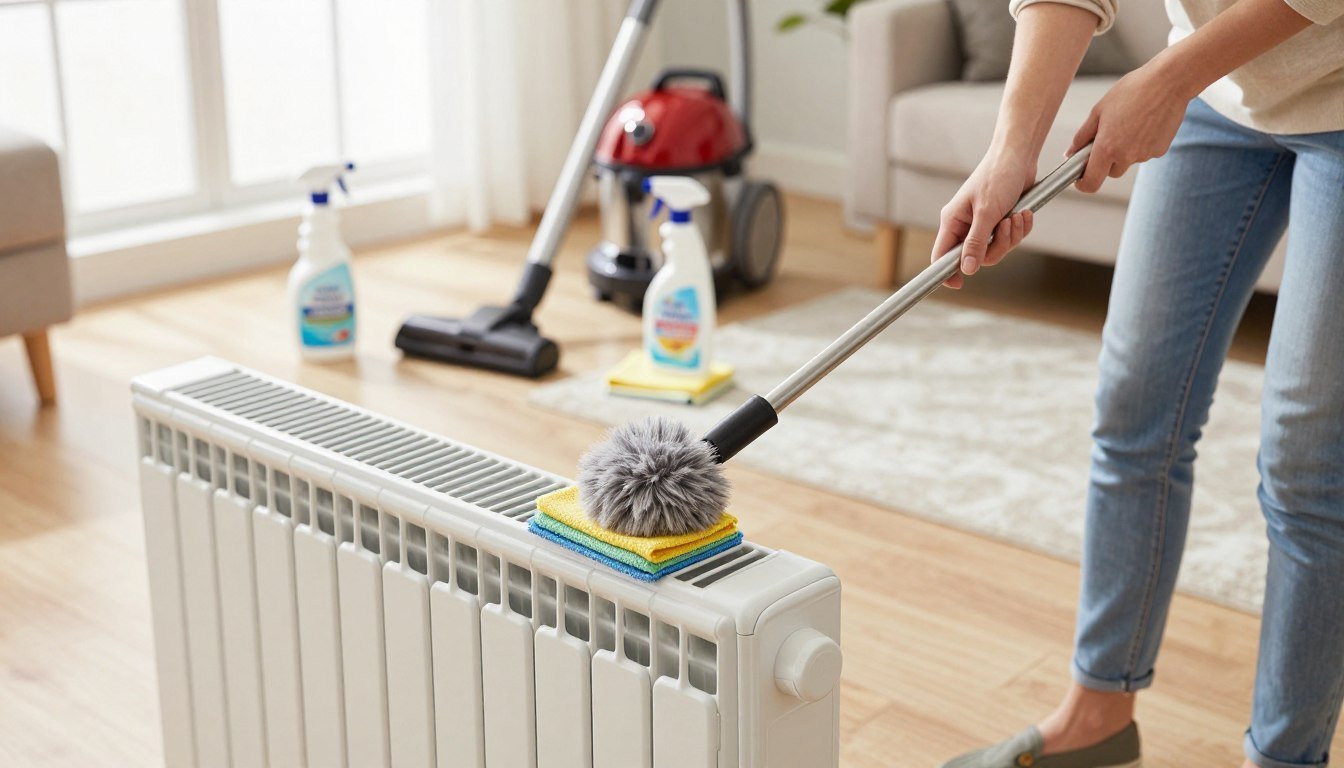
Ever thought a quick clean could make your baseboard heaters work better and save energy?
This quick guide shows you easy steps to clean baseboard heaters safely and efficiently. You’ll learn how to clean them now, for both electric and hydronic units. You’ll need a vacuum, microfiber cloths, vinegar, water, compressed air, pliers, and household items like a Magic Eraser or dryer sheet.
Cleaning baseboard heaters gets rid of dust and dirt, improving airflow and heating. This helps your system work less hard and can make the air cleaner. This guide is for U.S. homeowners, renters, and DIYers, with tips to save time.
You’ll find DIY cleaning tips and when to call a pro for deeper cleaning. Follow this guide to make cleaning baseboard heaters a simple part of your routine.
Key Takeaways
- Cleaning restores airflow and can improve heating efficiency.
- Both electric and hydronic heaters are covered in this baseboard heater cleaning guide.
- Basic tools include a vacuum, microfiber cloths, and pliers; household items like dryer sheets save time.
- Always shut off power or the boiler before you begin to clean baseboard heaters now.
- DIY methods work for routine care; consider a pro for deep-cleaning or damaged fins.
Why cleaning baseboard heaters matters for efficiency and safety
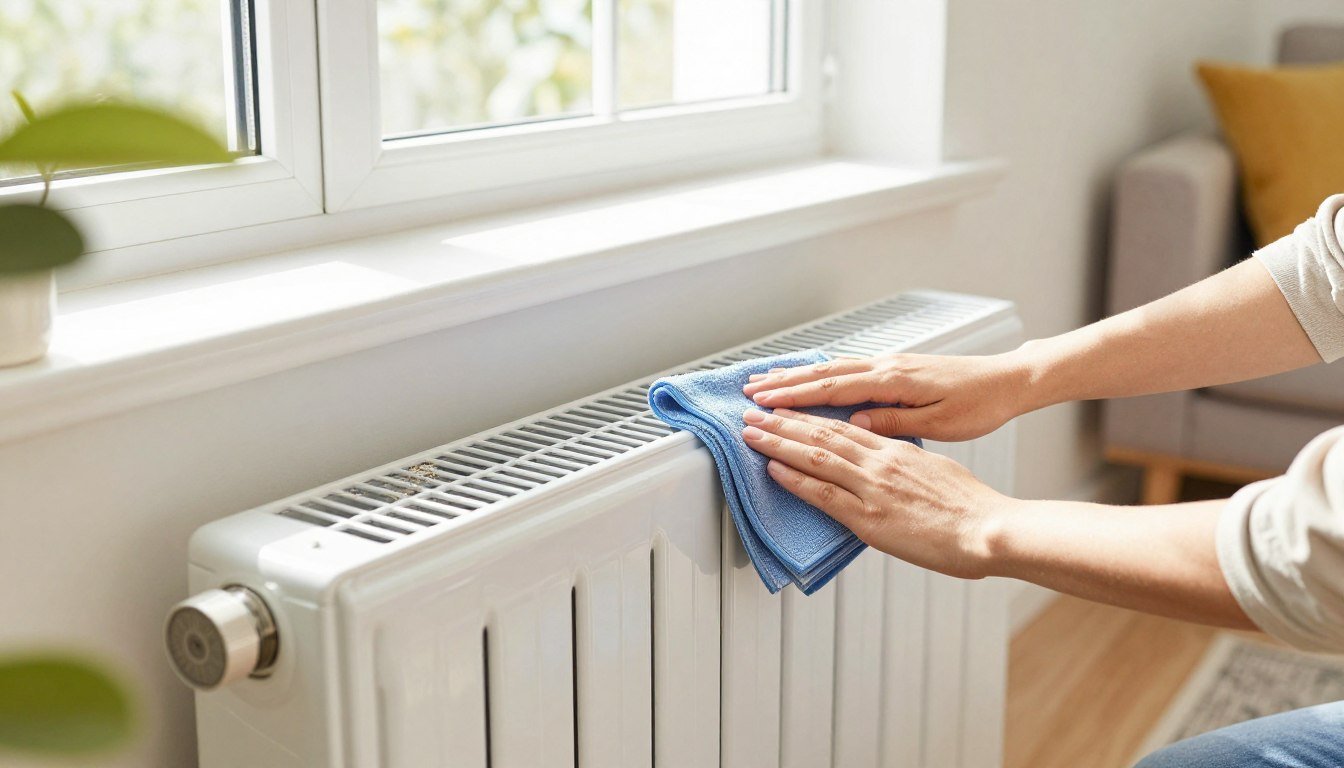
Keeping baseboard heat clean improves how well it heats your home. Dust and dirt block air flow. This makes the unit work harder, costing you more and keeping you less comfortable.
Dust on heating elements can cause scorching, bad smells, and even fire risks. A clean heater is safer and more efficient. It also protects your floors and walls from heat damage.
Cleaning your baseboard heaters also makes the air in your home better. It reduces the amount of allergens released into the air. This is great for people with asthma or allergies.
Regular cleaning helps air move properly in your home. This makes rooms feel warmer at lower temperatures. It also saves energy and makes your heating system last longer.
So, why is cleaning baseboard heaters important? It makes your heating system work better, improves air quality, and reduces safety risks. Clean them before winter to enjoy these benefits.
How to clean baseboard heaters
First, make sure you’re safe. Turn off the power at the circuit breaker for electric heaters. For hydronic systems, shut off the boiler or zone valve. Wait until the unit cools down before you start cleaning.
Here’s a simple guide to follow: know your heater type, remove the cover, vacuum the fins and inside, brush between fins, straighten bent fins, clean the cover and exterior, and then put everything back together and test it. This guide will help you through each step.
Get your cleaning tools ready: a vacuum with a brush attachment, a soft-bristled brush for the fins, compressed air for tight spots, and a damp microfiber or mild soap for the covers. For tough stains, a Magic Eraser or vinegar and water mix might work.
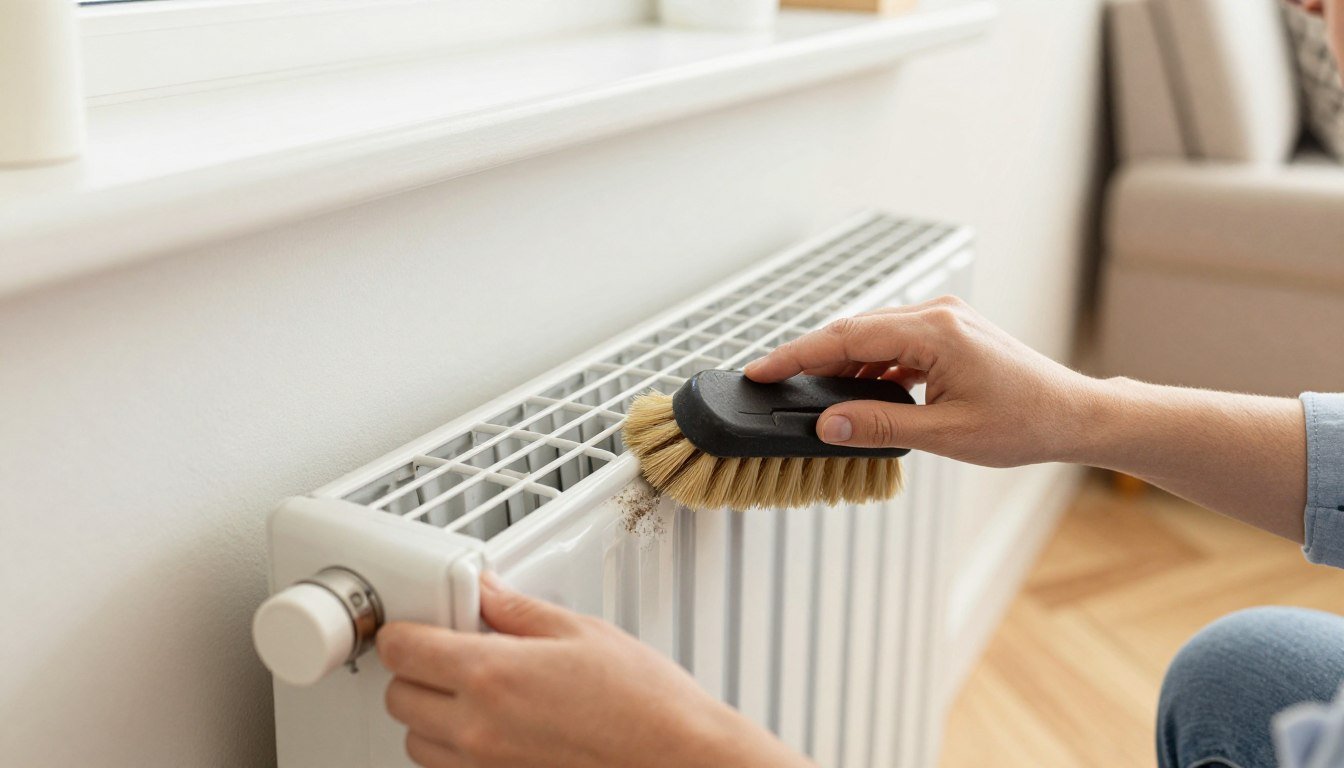
To get rid of dust and debris, vacuum slowly along the heater. Use a vacuum with a brush attachment to avoid bending fins. Keep the brush flat and steady to prevent damage.
For spots the vacuum can’t reach, use a soft tool to gently brush between the fins. Compressed air can help dislodge particles; use low pressure and aim it outdoors or into a trash can to avoid spreading dust.
Try some quick tips for better cleaning. Use a clean sock to wipe tight spots or a dryer sheet on the vacuum brush to catch fine dust and reduce static. These tricks can help without extra tools.
Clean the baseboard heater cover last. Use a damp microfiber and mild soap on painted or metal covers. For stains, a Magic Eraser or vinegar solution might work. Make sure to dry parts completely before putting them back together to avoid rust or electrical problems.
Look for damage as you clean. If you find electrical issues, fluid leaks, bent fins that can’t be fixed, or feel unsure about cleaning inside the heater, call a professional. A technician can ensure your system is safe and working right.
identify your baseboard heater type: electric vs hydronic
To find out if your baseboard heater is electric or hydronic, look for wiring or plumbing. Electric heaters have a power cord or a wall thermostat. Hydronic units connect to pipes that go to a boiler.
Electric heaters have an electric element and a thermostat inside. They warm the room by flowing current through the element. You can spot them by their removable front cover and lack of water connections.
Hydronic radiators use heated water flowing through tubes. This water comes from a boiler and returns through supply and return lines. They have small bleed valves and feel warm along their length.
Feeling the cover when it’s running can help you tell them apart. Electric units heat at the element, giving quick warmth. Hydronic units heat evenly because of the circulating water.
Cleaning electric units requires cutting power first. For hydronic radiators, turn off the boiler and avoid opening pressurized lines unless you know how to handle spills and air entry.
Maintenance also differs. Electric units need dust removal, fin straightening, and thermostat checks. Hydronic systems might need bleeding, pipe checks, and valve inspections. Hydronic units are safer but can leak if there are pipe failures.
| Feature | Electric Baseboard | Hydronic / Hot Water Baseboard |
|---|---|---|
| Heat source | Electric element | Boiler-heated water |
| Connections | Wiring or cord, wall thermostat | Copper/steel pipes, supply and return lines |
| Typical signs | Removable cover, quick localized heat | Bleed valves, even warmth along the unit |
| Safety before cleaning | Switch off breaker | Shut boiler or isolate zone; avoid opening pressurized lines |
| Common maintenance | Dust removal, fin straightening, thermostat check | Bleeding, leak inspection, valve and pipe checks |
| Risk profile | Electrical hazards if live | Potential leaks and water damage |
Gather the right tools and materials for baseboard heater cleaning
Before you start, collect the materials needed for cleaning so the job goes quickly and safely. A good vacuum cleaner with a long crevice tool and a brush attachment will remove loose dust from inside the heater.
Keep a microfiber cloth and a soft-bristled paintbrush or fin comb for gentle wiping and fin care. Slightly damp microfiber cloths work best for exterior surfaces and trim without leaving streaks.
Prepare a spray bottle with a mild soapy water solution or vinegar and water for spot cleaning. Have a sponge or Mr. Clean Magic Eraser on hand for stubborn scuffs on the cover.
For tight crevices use cotton swabs or an old toothbrush. Compressed air can be helpful for blasting debris from between fins, but use low pressure and test at a distance to avoid damage.
If fins are bent, a fin straightening tool or small pliers will let you gently realign them. Include dryer sheets to help repel dust and a bucket to catch rinse water if you remove covers.
Safety items matter. Grab work gloves, safety glasses, and a small flashlight to inspect interior fins and heating elements. Lay a protective drop cloth under the work area to catch dust and debris.
Below is a quick comparison of essential and optional tools so you can decide what to buy or borrow before you begin.
| Tool | Purpose | Recommended Example |
|---|---|---|
| Vacuum cleaner with brush attachment | Remove loose dust and large debris from interior and exterior | Hoover or Shark vacuum with crevice and brush tools |
| Microfiber cloth | Wipe covers and trim without scratching | Zwipes or Amazon Basics microfiber towels |
| Brush attachment / soft paintbrush | Dislodge dust from fins and narrow channels | Soft artist brush or vacuum brush head |
| Compressed air | Blow debris from between fins; use cautiously | Compressed air cans from major retailers |
| Pliers / fin comb | Straighten bent fins to restore airflow | HVAC fin comb or small needle-nose pliers |
| Magic Eraser or sponge | Remove scuffs and sticky residue from covers | Mr. Clean Magic Eraser |
| Safety gear | Protect hands, eyes, and lighting during work | Work gloves, safety glasses, small flashlight |
Preparation and safety precautions before cleaning
Before starting, make sure you follow important steps to avoid injury and damage. For electric units, switch off the power at the thermostat and flip the breaker in the electrical panel. If you have a hydronic unit, shut off the boiler or the zone valve. Let the heater cool down completely before touching any parts.
Check that the power is off by testing the thermostat and waiting until it’s cool. Never try to remove covers or touch fins when the heater is hot or still has power. Use a thermometer or a careful hand test from a safe distance to confirm it’s cool.
Protect the floor and nearby furniture by placing towels or a drop cloth under the heater. This will catch dust and debris. Clear the area so you have room to set covers and tools aside. Keep track of screws and fasteners in a small container for easy reassembly.
Wear gloves and safety glasses when using compressed air or a stiff brush, as fins can be sharp. Avoid touching exposed wiring and never force components. Note how covers came off so you can put them back the same way.
If you find electrical issues, a tripped circuit breaker that won’t reset, or a suspected leak in a hydronic system, stop and call a licensed professional. Following these steps will ensure safety and make the cleaning task faster and safer.
Removing dust and debris: vacuuming and brushing techniques
First, turn off the heater by unplugging it. Then, shine a flashlight to find dust and debris. This makes it easier to see where to clean first.
Next, take off the cover. Use a vacuum with a brush attachment to clean the outside and inside. Move the brush along the unit and across the grille to get rid of surface dust.
Now, vacuum the fins. Use a crevice tool to clean between the fins. Clean in small parts to avoid missing spots and to prevent dust from falling deeper.
If dust is hard to remove, use a soft-bristled brush or an old toothbrush. Brush away from the wall to keep dust out of the heater. Then, vacuum again to pick up the dust that falls out.
Use some tricks to catch dust. Put a dryer sheet over the vacuum brush to reduce static and catch dust. You can also use an old sock to wipe the cover and ledge, then wash it right away.
After cleaning, sweep or vacuum the floor around the heater. Finish by vacuuming or mopping the room. This will keep your air clean after removing dust and debris.
cleaning and straightening fins to restore airflow
Thin metal heating fins help your baseboard heater work better by increasing its surface area. If fins get clogged or bent, your heater won’t work as well. Cleaning and straightening fins can help improve its performance.
Start by vacuuming the heater to remove dust. Then, use a soft brush and compressed air to clean between the fins. Make sure to blow the air away from walls or windows to avoid spreading dust. Work in short bursts to avoid bending the fins.
To fix bent fins, a fin comb is the best tool. Choose a comb that fits your fins and gently run it along each row. If you don’t have a fin comb, small needle-nose pliers can also work. Hold the fin edge and gently push it back into place without damaging nearby tubes.
Be careful not to stress the base where tubes run. Twisting or levering can cause pipes to crack. If fins are badly twisted or you see leaks, call a licensed HVAC or plumbing technician. They can fix it safely and prevent bigger problems.
After fixing the fins, vacuum again to get rid of any remaining dust. Check that the spaces between the fins are clear. Open spaces help warm air flow freely, improving comfort and saving energy.
cleaning heater covers and exterior surfaces properly
First, take off the baseboard heater cover. Follow the maker’s guide to unscrew or lift the front. Set aside small screws and place the cover on a safe spot to avoid scratches.
Use a damp microfiber cloth and mild soapy water to clean the cover. Move in short strokes to avoid streaks. Rinse the cloth often and dry the cover before moving on.
For scuff marks or tough grime, use a Magic Eraser gently. Test it on a small area first to avoid damage. Rinse and dry the cover after treating scuff marks to prevent residue.
With the cover off, vacuum the inside of the heater. Use a dry or slightly damp microfiber to wipe interior surfaces. Be careful not to get the electrical parts wet.
Clean the baseboard ledge and wall junction where dust gathers. Use cotton swabs or an old toothbrush for corners and tight spots. This helps lift dirt without scratching.
To reduce dust build-up, run a dryer sheet along the cover and baseboard ledge once they’re dry. This anti-dust effect reduces static and helps repel dust.
Put the baseboard heater cover and fasteners back on, ensuring a secure fit. For electric units, turn on the power only after everything is dry to avoid shocks.
| Task | Recommended Tool | Tip |
|---|---|---|
| Remove cover | Screwdriver, protected surface | Keep screws in a small container to avoid loss |
| Wash exterior | slightly damp microfiber, soapy water | Wring cloth well to prevent drips |
| Remove scuff marks | Magic Eraser | Test a hidden spot before full use |
| Interior dusting | Vacuum, dry microfiber | Avoid wetting electrical elements |
| Tight spots | Cotton swabs, toothbrush | Work gently in corners to protect paint |
| Anti-dust finish | Dryer sheet | Run along cover and ledge once dry |
| Reassemble | Original fasteners | Confirm proper fit before restoring power |
deep cleaning options and enhancements
To get a deeper clean, start by taking off the cover. Then, clean the inside parts well. Use a shop vac to pick up dust. Next, use compressed air outside to remove tough debris from fins and channels.
For covers you can take off, wash them in warm soapy water. Use mild dish soap or a Mr. Clean Magic Eraser for scuffs. A mix of 50% vinegar and 50% water helps loosen grease and grime on metal or painted surfaces. Make sure to rinse and dry them fully before putting them back on.
If you see damaged wiring, leaks in hydronic units, or heavy corrosion or scale, get professional help. HVAC technicians can check fins, heating elements, valves, and piping for safety and performance.
Consider small upgrades to cut down on dust in the future. Use dryer sheets behind covers to keep dust away. Also, replace or service nearby HVAC filters to reduce dirt coming in. And, add a fin comb to your toolkit to keep fins straight.
For tools and products, choose affordable options from Amazon or local home centers. A good shop vac, compressed air from a hardware store, fin combs, mild cleaners, and microfiber cloths are all you need for deep cleaning.
If you’re unsure, consider hiring a cleaning service that offers thorough cleaning and inspection. A trusted team will clean safely and thoroughly. They can also suggest repairs or upgrades to make your heater last longer.
maintenance schedule: how often to clean baseboard heaters
Creating a maintenance schedule helps keep your home warm and saves money. Most homes need regular cleaning before the heating season starts. They also need spot checks during the cold months.
Clean your baseboard heaters at least twice a year. Clean them once before the heating season and once in the middle of it. This prevents dust from summer and fall from reducing efficiency or causing bad smells.
If you have pets, smoke, a workshop, or live in a dusty area, clean more often. Vacuum and dust covers every 1–3 months. Also, do quick spot checks monthly to catch any visible debris.
Deep clean fins, straighten bent fins, and check hydronic connections once a year. Do this deep service right before the heating season starts. This way, your system will be ready to go.
Keep a simple record of when you clean and what you find. Note any unusual things like bent fins, bad smells, or leaks. These notes help you figure out how often to clean next year or if you need a professional.
| Task | Recommended timing | Why it matters |
|---|---|---|
| Vacuum and dust covers | Before heating season; every 1–3 months during heavy use | Maintains airflow and reduces dust circulation |
| Quick spot checks | Monthly during heating season | Catches buildup early so you can act fast |
| Deep clean fins and straighten | Annually, just before heating season | Restores efficiency and prevents hotspots |
| Inspect hydronic connections | Annually | Detects leaks and ensures safe operation |
| Record keeping | After each cleaning | Tracks cleaning frequency and recurring issues |
troubleshooting common issues after cleaning
If your heating not working after cleaning, start simple. Check the circuit breaker for electric heaters and verify thermostat settings. Make sure the cover is seated correctly and no wiring was nudged during reassembly.
If you notice a burning or strong odor, expect a short-lived smell as remaining dust burns off when the unit first runs. If the smell persists or seems electrical, shut power off and inspect for lodged debris or wiring damage.
Noise after cleaning often comes from loose parts. Tighten cover screws and ensure fins and the element are not touching. Bent fins can rub or press against the heating element, creating rattles or buzzing.
Reduced warmth can result from bent fins or blocked airflow. Straighten any bent fins with a fin comb or needle-nose pliers, and clear nearby vents or furniture to restore proper circulation.
For hydronic systems, wetness or leaks demand immediate action. Shut down the boiler or zone and call a licensed plumber or HVAC technician. Do not attempt pressurized plumbing repairs yourself.
When troubleshooting common issues proves inconclusive, call a pro. Persistent electrical faults, tripped breakers, visible wiring damage, or ongoing baseboard heater problems should be handled by a certified technician to avoid hazards and further damage.
preventive tips to keep baseboard heaters clean longer
Keeping dust away is easy with a few steps. Vacuum around baseboard heaters weekly. This removes debris before it settles.
Change your air filter as the manufacturer suggests. Clean filters reduce dust in the air. This keeps your heaters clean for longer.
Use a dryer sheet on heater covers after cleaning. It repels dust and reduces static. You can also use old cotton socks for dusting.
Ensure good air flow around heaters. Move furniture and rugs to let warm air circulate. This prevents dust from getting trapped.
Clean your heaters deeply before the heating season starts. Do light cleanings mid-season. Regular cleaning stops heavy buildup and makes cleaning easier.
Reduce dust in your home. Groom pets, avoid smoking, and clean surfaces after projects. Clean up renovation dust quickly to prevent it from settling in heater fins.
If dust comes back fast, think about better home filters or get professional help. Better ventilation and filters can cut down on cleaning needs.
Conclusion
You now have a clear guide on how to maintain your baseboard heaters. First, check if your units are electric or hydronic. Always start by cutting power or shutting the boiler for safety. Use a vacuum, brush, microfiber cloth, and fin comb to clean.
These tools help remove dust, straighten fins, and clean covers. Doing this keeps your system running well. It also improves heating efficiency and air quality in your home.
Regular cleaning can also make your equipment last longer and save energy. Clean your baseboard heaters before the heating season starts. Do it twice a year, or more if your home is dusty or you have pets.
Small habits like decluttering and changing filters can help keep them clean. Using dryer sheets can also reduce static dust. If you have problems, like leaks or electrical issues, call a professional.
A qualified HVAC technician or plumber can help. They can find leaks, check electrical safety, and do deep cleaning if needed. Follow this guide to keep your baseboard heaters clean and well-maintained.
FAQ
How often should I clean my baseboard heaters?
Clean your baseboard heaters at least once before the heating season starts. Then, do it every 1–3 months if you use them a lot. For a deeper clean, do it twice a year. If you have pets, allergies, or smoke indoors, clean more often.
Do I need to shut off power or the boiler before cleaning?
Yes, you must turn off the power for electric heaters. Switch it off and check the breaker. For hydronic heaters, turn off the boiler and let it cool. Never open pressurized plumbing unless you’re a pro.
How do I tell electric baseboard heaters from hydronic baseboard radiators?
Electric heaters have wiring and a thermostat. They have a removable front cover. Hydronic heaters are connected to pipes and feel warm even with airflow blocked.
What tools and materials do I need to clean baseboard heaters?
You’ll need a vacuum, soft brush, microfiber cloths, and a sponge. Also, a spray bottle with vinegar and water mix, cotton swabs, and an old toothbrush. You might also need compressed air, a fin straightening tool, and work gloves.
What is the step‑by‑step cleaning overview?
First, identify your heater type and turn off the power. Place a drop cloth and remove the front cover. Vacuum and brush the fins. Use compressed air if needed. Straighten bent fins and wipe the covers. Dry them well, put everything back, and turn the power on.
How do I clean between the fins without damaging them?
Use a vacuum with a crevice tool to clean between the fins. Then, gently brush away dust with a soft brush. Use compressed air outdoors or at low pressure. If fins are bent, use a fin comb or pliers to straighten them.
Can I use vinegar and water to clean baseboard heaters?
Yes, a 50/50 vinegar and water mix is good for covers. Spray lightly, wipe with a microfiber cloth, and dry completely. Don’t spray electrical parts.
Are there quick hacks to speed up cleaning?
Yes, use an old sock to wipe surfaces or a dryer sheet on your vacuum brush. A Magic Eraser can remove scuffs. These tricks save time for quick cleanings.
When should I call a professional for baseboard heater cleaning or repair?
Call a pro if you see wiring damage, electrical issues, leaks, or corrosion. If you’re not sure about working inside the heater, get a professional.
Will cleaning my baseboard heaters improve heating performance and air quality?
Yes, cleaning removes dust and debris. This improves airflow and heating performance. It also reduces energy use and improves air quality.
What safety gear should I use while cleaning?
Wear gloves, safety glasses, and a flashlight. Use a drop cloth to catch debris. Never touch wiring until you’re sure it’s off.
How do I handle bent fins and when is damage too severe?
Gently straighten bent fins with a fin comb or pliers. If fins are severely damaged or tubes are compromised, stop and call a pro.
Can compressed air damage the heater?
Compressed air can dislodge debris but use it carefully. Avoid high pressure to prevent damage. Use it outdoors or with a shop vac.
What should I do if the heater smells or trips breakers after cleaning?
A light smell when it first heats up is normal. But if odors are strong or breakers trip, turn off power and check for debris or damage. Call an electrician or HVAC tech for electrical issues.
Any tips to keep heaters cleaner longer?
Change HVAC filters often and run a dryer sheet on covers to repel dust. Vacuum the area around heaters and keep furniture away. Reduce indoor dust sources like smoking and pet shedding.
How do cleaning routines differ for electric vs hydronic baseboard heaters?
Electric units need power shutdown before cleaning. Focus on dust removal around elements and fins. Hydronic units require boiler or zone shutdown and are more about leaks and bleed valves. Both benefit from vacuuming, cleaning covers, and straightening fins. Hydronic systems may need annual inspections.
Related Posts

Testo Erect Benefits for Men Over 40 in the United States
<p>Testo Erect delivers natural testosterone support and energy—crush fatigue and restore male strength and stamina after 40 with science you can trust</p>

Ryoko PRO High-Speed Mobile WiFi Router – Stay Connected Anytime, Anywhere.
<p>Ryoko PRO delivers high-speed mobile WiFi connectivity for travelers and remote workers. Read our in-depth review of features, performance, and value.</p>

AquaBurn Review 2026: Does It Really Activate Fat-Burning Brown Fat?
<p>Explore the potential of AquaBurn for unlocking brown fat’s thermogenic power, boosting metabolism, and catalyzing sustainable weight loss.</p>

Jelly Burn Drops Reviews: Melt Fat & Reclaim Your 20s Body in Few Weeks!
<p>Jelly Burn Drops Reviews: Can a small daily drop really melt fat and help you look like you’re in your […]</p>